Brands Have Booked the Poor Timing Train for Black History Month

Somehow, brands are still producing unintentionally racist products, but ironically this has been a prominent issue during the perfectly timed, Black History Month.

First, on February 1st, Adidas pulled their white “Ultra Boost Uncaged” sneaker from their collection made to honor Black History Month. The idea of matching “Uncaged” to an all-white sneaker didn’t go over as well as Adidas’ marketing team hoped.

Then on February 6th, Gucci’s black and red Balaclava sweater that’s pulled over the mouth is recalled for its similarity to blackface.

Many gave it likeness to the racist stereotyping cover of early children’s book, “The Story of Little Black Sambo.” The company then quickly took to Twitter to apologize after so much backlash was received, as their marketing team had to act fast is taking the sweater out of both physical and online stores.

Even before Black History month, H&M received backlash in early January over a black child being the model on an advertisement for their hoodie reading, “coolest monkey in the jungle.”  If the complaints about the ad’s racist undertones as some people found weren’t a bad enough perception, H&M also received hate for the white child being the model for the hoodie labeled, “survival expert,” of the same line.

Clearly, the problem of unintentionally racist marketing continues to persist in 2019. You might think brands would be more cautious in how they present their products during the month specifically dedicated to celebrating the black achievement.

Photo Credit to @Arianelaselene on Twitter

So, what do these racial controversies have in common above all else?

Poor marketing!

It’s not the products themselves that cause the outrage, but instead how marketing teams advertise them. For Adidas, the white sneakers would have been successful products on the market if it weren’t for the distasteful name given to them. The H&M hoodies had become a big issue when people saw them presented on those specific models.

 Marketing teams have already been looking into solving these branding issues that continue to persist today. Ad Age author Adrianne Pasquarelli has found that this is still a problem because,” the people making the decisions lack diversity.” Often people in marketing look to brand from their own point of view and don’t have the true perspective of the consumers of their product. One of the most, if not the most, important aspects of advertising is pandering to consumer’s wants, needs, and feelings, yet it is almost impossible to market for a diverse consumer marketplace if the company itself is lacking diversity.

Brands are already working to prevent insensitive advertising, as Pasquarelli mentions products such as Brandstage and Spotlight, made by Kantar Media, that give brands feedback before they start creating their advertisements. Although brands are trying these products along with giving out surveys to “focus groups,” they continue to miss the appropriate people in their research beforehand.

At this point, doing better might pertain to focusing on the sensitivities of all cultures by directly involving them in the marketing process. It’s more than just reaching out to a diverse group of people to review their marketing as well, the best way to prevent the outrage is by concentrating on diversifying the marketing teams in the first place.

For more information go to Adrianne Pasquarelli’s, “Primer for Burberry and Others on How to Make Sure Your Marketing Isn’t Racist”, Ad Age, (Feb 20, 2019). https://adage.com/article/cmo-strategy/make-marketing-culturally-sensitive/316658/
Multicultural Audiences in Today’s Media

(Trade Press Release #3)

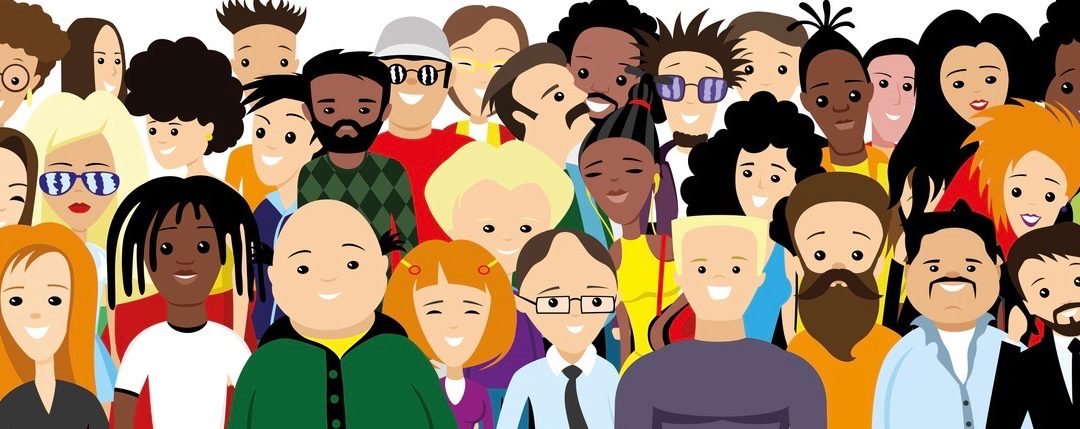
Whenever a company or business puts out an advertisement, they always have a target audience in mind. However, with today’s constantly changing and growing multicultural consumers, these companies must make a conscious effort when creating these ads that they are being inclusive and culturally aware of the environment they are currently in.

Research which can be found at this link, shows that most advertisements are seen on social media and television. With this in mind, companies can then create a more engaging ad that will attract a higher rate of consumer involvement. The media they create can vary anywhere from ‘unpacking’ videos to celebrity endorsements to sponsored posts.

The digital and social media that is so present in today’s society must be utilized to communicate with consumers of various ethnicities including white, Hispanic, black and Asian. It is vital that the companies are doing research on these communities so that they are seen and represented in the ads being presented before them whether it be during the commercial break of their family’s favorite tv show or in the banner of a religious video on YouTube.

According to Adriana Waterston, “engagement is driven by personalization, creating resonance and relevance with the target; convincing consumers your company is aligned with their personal values. Brand due diligence is key to understanding customer values, social, political, cultural, and religious, including whether your brand’s values match the market.” Taking all this into consideration, it is important now more than ever that the backgrounds of the members of today’s multicultural audiences are deliberated so that both the company and its target consumers are all being catered to and benefitting from these more considerate ads.

image.png

Photo Courtesy of AgilityPR.com

Probiotics and us: the helpers in your gut

Via Maangchi

Remember those Activia commercials?

According to research done by Katherine Harmon Courage, probiotics are more important than we think. Not only that, but the prebiotics—what we eat that feeds the microbes in our gut—are also essential to our digestive health. It is important to take care of the little guys in our bellies because they provide benefits such as fighting infections and moderating our weights.

In her book “Cultured: How Ancient Foods Can Feed Our Microbiome”, Courage explores the role our microbes play in our diets and the history of ancient foods rich in probiotics. For instance, Courage discusses that when humans were hunter-gatherers, we used to eat much more fiber than we do today, which is an important prebiotic that feeds our microbes. She says that if we do not feed our microbes, that they will eventually eat at the lining of our lower intestine (which honestly sounds kind of scary).

She also discusses how foods rich in probiotics should be an essential part of human’s diets. In Korea, for instance, kimchi is an essential part of a Korean diet, and even in remote Greenland, probiotics can be found in traditional Inuit foods like kiviak: birds fermented in seal skin.

By incorporating foods rich in probiotics and fiber into our diet, we create an environment where our microbes can thrive. In turn, our guts will be a lot healthier.

I always knew you could trust Jamie Lee Curtis.

Via Flavorwire

To learn more about the importance of our microbiome, check out this article by Jonathan Lambert.

For more in food news, check The Salt by NPR.

Generation Z: Glued to Our Computers & Depressed

Technology in the Workplace

Our generation – ‘Generation Z’ – is the first generation truly raised on technology. As Generation Z is graduating and entering the workforce, the challenges of integrating technology into work are expected to rise. This week, American Lawyer journalist Victoria Hudgins reported that more tech may mean more problems, especially for young lawyers. The ability to work remotely has been adopted by many Millennial lawyers already and the implication is not more free time expected to come with being away from the office. Instead, Millennial lawyers face the issue of the ability and pressure to always be connected. This is presumed to be the cause of increased anxiety and depression in young lawyers.

Goodbye Law Firms?

Another shift in the legal services arena due to technology is a rising number of alternative legal services providers. Just this week, Axiom submitted a draft registration statement to the Securities and Exchange Commission. Axiom specializes in offering technology-enabled legal services and currently employs over 2000 people around the world and had reported revenue of $300 million in 2017. The effect that this shift will have on employment for lawyers is unclear. [Roberts, “Alternative Legal Services Provider Axiom to Go Public”]

Social Media Fraud

Some aspects of technology, however, have provided more cases for lawyers. For example, New York State Attorney General Letitia James recently announced a settlement with Devumi LLC and related companies owned by German Calas Jr. for social media fraud. Social media fraud was defined by the AG’s office as attempting to deceive and affect the decision-making of social media audiences. An example of social media fraud is selling “endorsements from social media influencers without disclosing that the influencers had been paid for their recommendations.” [Lewis, “How New York Authorities are Regulating the Internet”]

The Future of Generation Z

As it always has, technology is developing faster than we can keep up. In today’s world, we are struggling to deal with the issues that technology has created in relation to the work, the environment, privacy, etc. As our generation enters the workforce, we face a great deal of challenges as well as potential.  

We have the responsibility of paving the way for future generations on how to integrate technology into our personal and professional lives.

More Good Stuff Coming Your Way

Having fun scrolling through the Native ads we created? I sure hope so. There is some good material here, and the students are doing a wonderful job figuring out the language of advertising, marketing, and branding in a somewhat unstable environment. 

I have to say since I have started teaching this class, I do find myself sympathizing with companies a bit. We don’t live in a traditional world anymore, so traditional advertising strategy has to be adjusted to account for all this newness. It is not an easy task. Everyone needs different things and now, more than every, people are vocal about what they need.

This is what makes classes like this Strategic Communications course here at the University of Florida so great. It gives young business, telecommunications, communications, and advertising majors a chance to play around and figure it all out. ( did you notice my little sideways attempt at pitching the University of Florida? Native Advertising!)

We have some good stuff coming your way in the next few days. Take a minute to peek at our Native Advertising tag. A few of the students posted their native ads on the blog, and I think they did some great work.

Also, be on the lookout for more trade press release posts. Last time around, we had some interesting posts on Super Bowl game day eating habitsdocumentaries on Horror Noirand horror films, and a great short series of press releases on scandals in the international business world. Aside from being really glad about the fact that we are not talking about Jeff Bezos any more (there is such a thing as too much information), I am excited to say that the goodness keeps on coming from this class.

So far, here’s what you have to look forward too: If you are into podcasts, check out this writing on investment opportunities in the podcast industry. Interested in streaming shows, films and the like? Ian has a great post on the ways competition in streaming is making lasting changes to how we consume our films and television shows. Alli takes a critical eye to the Southwest strike that no one seems to be talking about right now, and we have another awesome post pondering life without plastic. Then there is this fascinating look into advertising fails committed by Prada, Burberry, and more recently Gucci. 

It’s weird that it needs to be said that Black-face is not trendy or fun, but here we are.

There is more still to come. Be on the look out for some great work!

-KRW

Investment Opportunities in the Podcast Industry

Do you frequently find yourself getting lost into auditory stories heard over the radio or in podcasts?

Since the invention of the radio in 1895, listening to informative and entertaining broadcasts has become an ingrained part of our everyday lives. Whether jamming to music in the car or tuning into news reports via livestreams, audio entertainment serves as an important and profitable market. 

Podcasts, or downloadable recordings of audio programming through the internet, have become a phenomenon of interest for easy listening since going mainstream in 2014 through Serial, an investigative journalism podcast. These audio programs offer a plethora of options spanning from comedy skits to book readings, talk shows and more.

With the popularity of podcasts increasing, radio companies are seeing the potential to invest in this sect of the audio market and are acquiring ownership rights over major podcast groups. Recently, iHeartMedia took over How Stuff Works, an award-winning series centering on a variety of educational topics, for $55 million dollars. 

“Investment is growing with [podcasting], and the financial projections expect it to become a billion-dollar industry over the next three to five years.”

As radio companies gain ownership over podcasts, visible changes may occur in the ways in which the two types of audio services will become similar. Future differences may include more ads during podcasts and regulations over contents within podcast shows. Additionally, hosts of podcasts may have to become more careful over their material in order to adhere to the standards of new parent companies.

Although some listeners may not be pro-corporate control over their favorite channels, the change may provide podcasts with a larger audience as big-brand acquisition advertising initiatives come along. The future will only tell how these changes will affect the podcast industry as a whole. 

For more on this, check out Dan Granger’s, “Radio Companies Are Eyeing Podcasts as Viable Investments, Adweek, (Feb 21, 2019). https://www.adweek.com/digital/radio-companies-are-eyeing-podcasts-as-viable-investments/

Waiting on the World to Change

Welcome back to the world of Anthony Rocca. I am sorry for my short hiatus due to the fact I needed to take care of some personal dilemmas in my life however each experience I face allows me to become a better listener and writer in society. Now time to talk business. The articles throughout Business Insider have been a wide range of different topics including the anticipation of the stock market due to the United States Summit with North Korea that will be taking place in Vietnam today (https://www.businessinsider.com/stock-market-news-opening-bell-february-27-2019-2019-2). Also, throughout the past couple of weeks their has been plenty of talk about Amazon CEO Jeff Bezos and the revolutionary direction he wants to take his company, including the facts of his very public divorce with his wife making her one of the richest women in the world (https://www.businessinsider.com/amazonbasics-memory-foam-mattress-review-2018-12). What I will be discussing in this particular press release is an outlandish concept that is starting to become reality.

            FEDEX is teaming up with Wal-Mart and Pizza Hut where they are creating a robot that is on wheels that has the ability to deliver items within a 3 mile radius of both the stores. The robot has been created by the same company that invented the Segway stand up scooter and they have been testing their new invention in several different cities including Memphis this past summer. In our modern day society, inventors have been pouring millions into this same day delivery concept because majority of both Pizza Hut’s and Wal-Mart’s target markets fall within a 3 mile radius of both of the stores. https://www.businessinsider.com/r-fedex-partners-with-walmart-pizza-hut-to-test-last-mile-delivery-robot-2019-2

            What I find so fascinating about the concept of this new door step delivery is how rapidly it is coming into effect especially here in the United States. Within the next 5 to 10 years most of our everyday interactions with grocery stores and or restaurants will be completely eliminated due to robots such as this FEDEX one as well as drones in Amazon and things of that nature. It is pretty unbelievable how the next best thing is coming out before society can even try the current best thing. I have a food for thought before I finish this press release. In the coming years when most of the retail and service industry is being handled by robots and or very advance technology, do you think the lack of human interaction will hinder human’s ability to openly communicate with each other? Looking more in dept in the US as the divide between the country becomes more prevalent, what will be the results from the lack of everyday human interactions?

5 College Hacks to Save you Time & Money

1. Keep a Schedule of classes and assignments on your phone

Keeping a schedule of your classes and assignments on your phone can keep you organized by giving you notifications for upcoming events. Some schools even have the schedule available for download for integration on Apple and Google calendars. Both calendars have integration on all devices so your computer, phone and smart watch have can all the same calendar.

2. Ask for Student Discounts in Stores

Image Provided by Amazon

Many stores, especially ones around campus, offer student discounts, from movie theaters to restaurants, here’s a few to save you some money:

AMC Theatres: Students get a lower ticket price at select theaters.

Apple: Apple does special pricing for students.

Best Buy: Sign up for Best Buy’s college student deals to get promo codes emailed to you.

Cinemark: At participating locations, you can show your college ID to get a student discount.

Chick-fil-A: Get a free small drink when you show your student ID and buy anything at Chick-fil-A.

Chipotle: Get a free small drink when you show your student ID and buy anything at Chipotle.

Levi’s: Get an exclusive 15% discount when you join UNiDAYS.

MAC Makeup: Get an exclusive 10% discount when you join UNiDAYS.

Nike: College students can save 10% by submitting their email address.

PINK: Save 15% on your purchase.

Spotify/Hulu: Get 50% off a Spotify Premium account, which now includes a Hulu subscription.

TOMS: College students save 10% on TOMS.

3. Backpack Essentials

Image Provided by Target

Having the right gear in your backpack can save you multitudes of headaches on campus.

Here are a few Essentials:

Portable charger– For when you can’t find an outlet near you (bonus points if you have one that can charge your laptop)

Hand Sanitizer– Because you don’t know where your hands have been while on campus.

Portable Umbrella– To protect you and your electronics from the rain (Especially if you live in Gainesville like me, they call it Rainesville for a reason)

Water Bottle– To keep you hydrated on those sunny days and those days when the hangover hits you especially hard.

4. Go to School events

Image Provided by Pintrest

Going to school events can save you money on food and also lets you meet people and make new friends. Try to join clubs that interest you and that have common hobbies and interests as you, and always be on the lookout for flyers with event dates!

5. Bring a Skateboard to campus

Image Provided by The New York Times

College Campuses can be enormous, so having a fun, compact way to get around can be a lifesaver. The perfect college skateboard is the PennyBoard. Designed to look great, ride as smooth as butter and exceeded all your expectations. The Australian brand has 12-plus years experience to its name, Penny puts as much weight on the durability and the sheer fun of its boards, which is what it’s all about. Penny Boards have been a staple on College Campuses around the country because of its slim, lightweight, portable design that anyone can learn to ride on.

You can buy the Penny Skateboard here:

https://www.pennyskateboards.com/us/

Image Provided by Penny Skateboards


The Beauty of a Split Second

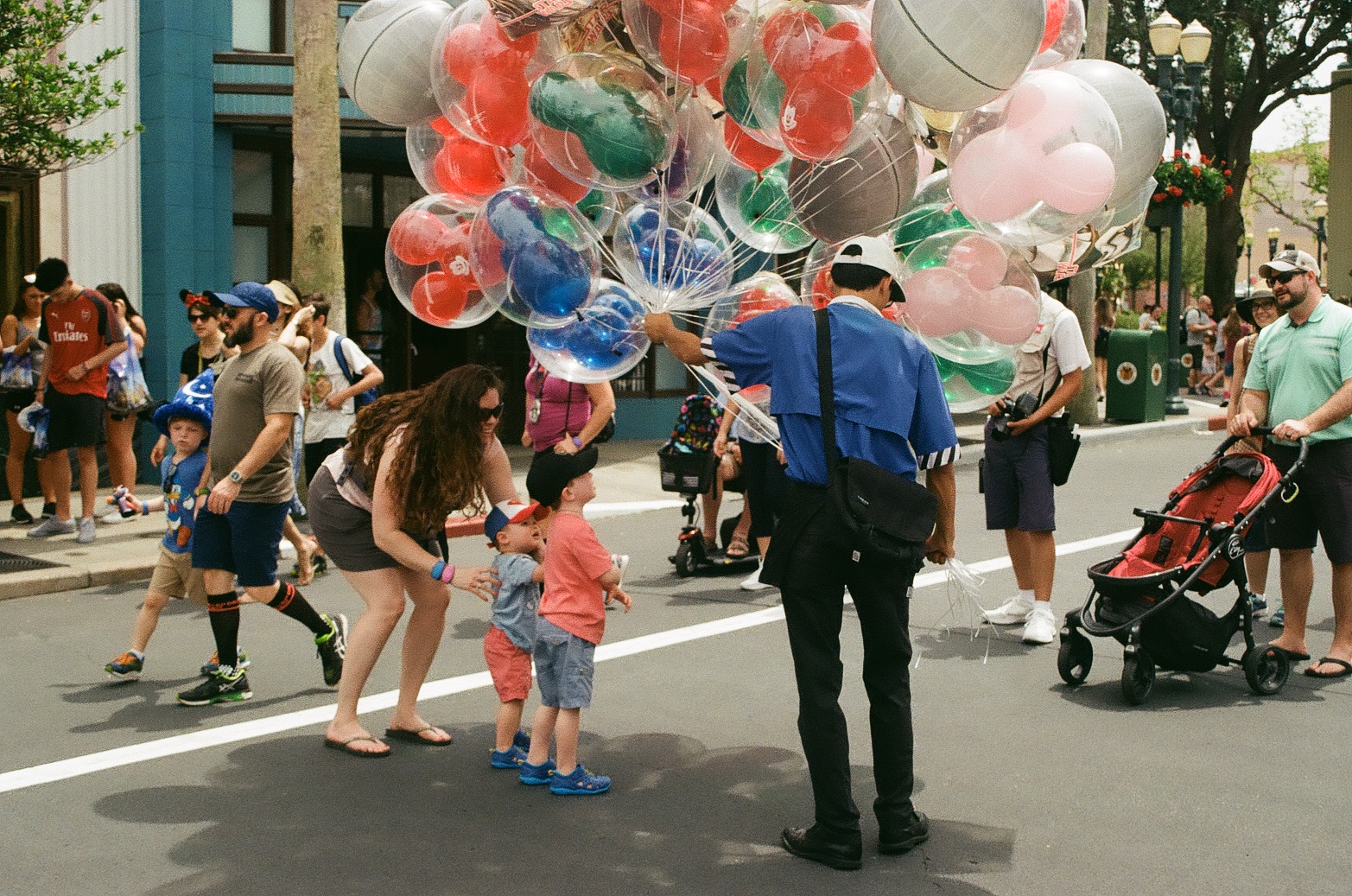
A child gets a balloon in Hollywood Studios, in Orlando, FL

I’ve been taking photos of the people and places around me for as long as I can remember. When I was in the fifth grade, I got my first camera: a point and shoot Nikon that probably wasn’t worth more than $30. But the price of the camera never mattered. The brief moments and memories I captured had much more value. Over the course of the nine years since then, I’ve obviously gotten some better gear. I’ve amassed my own little collection of old film cameras, lenses, and film stocks, as well as my own ideology for taking the “perfect” photo. I love being able to capture a split second of nature, despite all of its volatility.

The skyline during a sunset on El Matador beach in Malibu, CA

I don’t only enjoy taking photos of landscapes, though. When I started writing a year ago, I began to fall in love with the idea of capturing human emotion as well. I started taking my camera with me everywhere. I constantly observe the interactions of my friends and family so I can find the perfect moment to take a quick snapshot of the beauty of human emotion. Some people throw their heads back a certain way when they laugh, and other people’s eyes light up when they get happy. The little moments like this hold so much meaning to me, and I love being able to look back on a shot from a few years ago and let all the emotion come flooding back.

Friends having a conversation at a bar in Hollywood Studios, in Orlando, FL

Photography is one of my only passions, and it’s one of the few things I feel proficient at in life. My friends and family frequently come up to me asking me to take photos for their next birthday party, or they tell me to make sure I bring my camera next time we see each other. Every time I get more film developed, we gather around and have a blast looking back at moments we might otherwise have forgotten about. These little moments that fade so quickly from our memories hold much more power than we initially believe, and I think that capturing them is crucial.

Photo Courtesy of World Vision Non-Profit Organization

Feel Good, Do Good.

An abundance of individuals struggle to find their calling each day, but the question that needs to be explored is are humans truly interested in helping other humans?

For most people, yes.

Donating time to bettering our world and helping others who are struggling is a rewarding experience that helps people identify their true calling in life. We should celebrate those that commit their time to serving others who truly need it.

What are the benefits?

One of the most worthwhile results of serving others is the outcome in the end. Natural disasters hit countries every day, diseases take over entire populations and third world countries struggle to keep citizens alive due to lack of healthcare. Although the negative components of disasters in countries are extremely prominent, looking past the negative aspects allows humans to realize they can serve a purpose and help others. Additionally, non-profits are a great way to get involved in local communities near or far.

“Today, nearly 15,000 children under age 5 will die of mostly preventable causes, such as diarrhea, malaria, and pneumonia.” -World Vision

How can one give to non-profit organizations?

Whether people donate large or small amounts, even a dollar has an immense impact on struggling communities. In some countries the economy is incredibly low to the point where children do not have access to education or educational tools they need to grow as individuals. With this being said, the countries that struggle largely are the countries that have undergone terrible natural disasters and influx of diseases that they can not overcome. These are the communities that need help the most. Whether it is donations or volunteering citizens have the option to dive in and help others. The beautiful aspect of non-profit organizations is the versatility in what they do. Health, education, clean water, and disaster are relief among some of the great strides non-profits make for struggling communities.

Get Involved

The biggest takeaway is finding a true interest in serving others. Think more about the people struggling the next time you buy something you do not truly need. Explore the options of your local community non-profits and what they offer that would allow you to feel good, and do good. If you are looking to help communities far away that undergo extreme struggles due to disasters evaluate how involved you want to become, and how much service you want to offer to others. Adventure is out there, and helping others will always be an option to make you not only feel better about yourself but feel better about helping others.

For more information on how to get involved in non-profit organizations for struggling countries visit: https://www.worldvision.org/our-work/health