A Recent Study Believes IVF Is Too Dangerous to be Continued
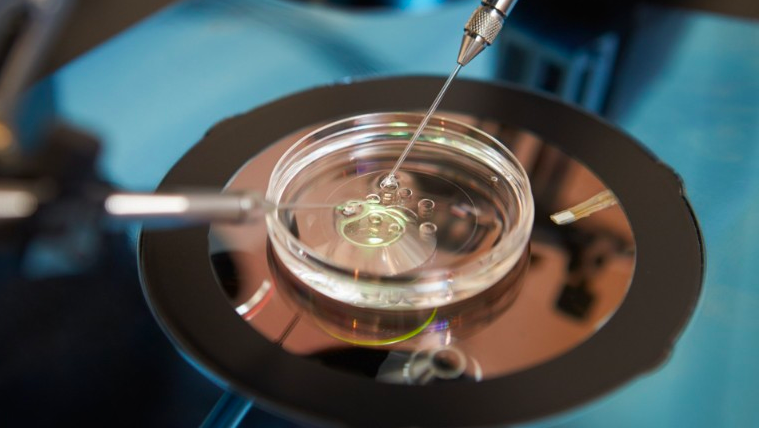
Could pregnancy be any scarier? New research indicates IVF treatments are now correlated to increase the likelihood of postpartum hemorrhage, sepsis, and admission to the ICU. As if all those medical terms weren’t frightening and confusing enough, the pregnancy complications often times affect both the mother and baby.
A recent study by the Canadian Medical Journal followed women who underwent invasive infertility treatment versus those with minimally invasive. The results indicated women were a whopping 40% more likely to experience complications from invasive fertility treatment. So, should IVF not be recommended to patients with fertility issues anymore?
Lead author of CMAJ, Natalie Dayan argued otherwise stating that “it is important to remember that the absolute number of women who develop these complications remains quite small, meaning that for most women who cannot conceive naturally, this treatment is a very safe and effective method of becoming pregnant and having a child.” Her statement can be supported as most women who undergo IVF treatment often already have complications.
The study further investigated the maternal morbidity rate with respect to IVF. While the relative risk(RR) has gone down from 2.17 to 1.39, researchers indicate the best way to diminish risk is through preventative care. Before participating in IVF, mothers are encouraged to be at optimal health and only implant one embryo as opposed to several. Fewer embryos mean less risk.
With any invasive treatments comes complications and life-threatening conditions. While IVF is still an option, it seems it’s being met with negative backlash. For some, any chance of having a bundle of joy is worth the risk.
-LA
For more info, check out Natalie Dayan’s “Infertility treatment and risk of severe maternal morbidity: a propensity score–matched cohort study” CMAJ, Volume 191, Issue 5
 Gator Strat Comms