The Next Generation of Sports Media Consumption

Imagine the world of virtual reality colliding with the world of sports. Real-time VR streaming fused with sportscasting to create a new world in sports media. The possibilities are endless. This is what Patrick Kulp at Adweek discovered after researching Fox’s collaboration with AT&T.

Fox decided to take a break from covering the current presidency to invest in its sports media stock. Their sports department teamed up with AT&T, Intel and Ericsson to bring the viewers of the U.S. Tennis Open Championship a more efficient and in-depth experience. By using 5G wireless services the possibilities for streaming and quality production skyrocketed while cutting costs at the same time. This raised questions on what else 5G could do for media production and consumption. The Sacramento Kings took this as an opportunity to collaborate with Verizon to create the first 360 virtual reality stream of a basketball game. While this may not help the team play any better it certainly provides fans with a new immersive experience. “Immersive media experiences are going to be one of the things that are unique on 5G,” said Jaunt CEO Mitzi Reaugh.” This step forward in sports media technology opens up many doors in the consumption of sports media allowing fans from all parts of the country to be able to experience their favorite team as if they were there. It is quite interesting where the current state of 5G is. There aren’t many 5G devices on the market, and most if not all providers are jumping at the opportunity to install 5G capabilities into a variety of venues. The future of sports media is now.

With native advertising and ad technology evolving with the times it seems like 5G is the next step for advertising as a whole. Advertising must always adapt to its ever-changing markets which is how native advertising has started to come to the forefront of most companies’ creative groups. Being able to utilize this new form of production and streaming may become an integral part in both sports media and advertising. While virtual reality might not be everyone’s cup of tea due to the issue of potential motion sickness and the technology being brand new, 5G in itself is the perfect stepping stone to bring advertising into a new world of audiences. Generation Z is one of the most tech savvy generations due to being born in an era of iPads and smartphones being commonplace in most households. To reach and relate to this new generation, sports media is making a conscious effort to evolve with the times and provide new and exciting ways to experience sports. Will this pay off as far as the numbers go? Only time will tell but it surely is a good sign to see the industry not shy away from new technology. There is a lot to learn about the usage of 5G though as it is a relatively new method of wireless connection and wireless services have had a history of problems as far as connection stability and reliability. 5G may surpass these obstacles though and can give fans what they want. Better sports coverage and better advertising.

For more information, take a look at Kulp’s  article Next-Gen Sports Viewing in Adweek New York volume 60 issue 4.

Walmart’s Builds the Future of Retail with In-House Incubator and Virtual Reality Experience

Dreamworks and Walmart team up to promote How To Train Your Dragon: The Hidden World in Virtual Reality.

The retail company will use emerging technologies to create immersive experiences.

Leading tech companies such as Google, Facebook, and Samsung have been promoting experiences like Virtual Reality for years, however, could the retail giant Walmart be the driving force to help the technology become more established and mainstream?

In the latest addition of Adweek, digital marketing analyst and author, Marty Swant, writes about how Walmart’s debut of Spatial&, a newly developed in-house incubator in his article, “How Walmart’s In-House Incubator Is Imagining Virtual Reality for Retail.” Using emerging technologies, the company’s incubator will feature engaging experiences such as virtual reality and augmented reality.

According to Stan, “During an onstage interview at the Brandweek: Challenger Brands event earlier this month, Katie Finnegan, CEO of Spatial&, said Walmart created the incubator to begin planning for what retail could or should be in five or 10 years.” Experts believe that Walmart is better positioned to bring knowledge of this technology to the average consumer due to the retail giant’s immense exposure.

Walmart’s development of VR programs has long term goals. Founders of Spatial& aim to better understand how the technology will coincide with the future of merchandising.

The VR technology will serve to simplify the shopping experience. Last year, Walmart experimented with the software to help consumers purchase tent equipment that is difficult to visualize. Shoppers were able to use the VR experience within their own homes to envision what walking around in the tent would look like.

For the release of Spatial&, the company partnered with Dreamworks to advertise the new film How to Train Your Dragon: The Hidden World. A tractor filled with VR and sensory equipment will travel to over a dozen Walmart locations so viewers can interact with characters from the movie. The experience will end in a VR you aisle and gift shop featuring toys based on the film.

For more information, review Stan’s “How Walmart’s In-House Incubator Is Imagining Virtual Reality for Retail.” Swant, Marty. “How Walmart’s In-House Incubator Is Imagining Virtual Reality for Retail.” – Adweek, Adweek, 28 Feb. 2019, http://www.adweek.com/digital/how-walmarts-in-house-incubator-is-imagining-virtual-reality-for-retail/.

Millennials: Generation Rehabilitation

Via the-pool

Historically, therapy has been a taboo subject, which required careful consideration and something to be “wrong” with the person. It seemed like people should only go if they felt like they had some sort of mental illness. Now, therapy seems like a first option for millennials.  They treat it more like an act of self-care than a chore. Society has set such high expectations for millennials, and it causes them immense stress when they can’t meet them. With the creation of therapy apps and online services such as TalkSpace and MyTherapist, millennials find it easier than ever to get the help they need.

The number of students seeking mental-health help increased from 2011 to 2016 at five times the rate of new students starting college, according to a 2017 report from the Center for Collegiate Mental Health at Penn State University. The stigma which was originally connected to psychotherapy has significantly decreased in the new generation of patients who are looking for treatment. Rather than being embarrassed about receiving mental health help, millennials are embracing it and are even able to casually talk about it with their peers. They are not worried about how many more sessions they will need, but instead are just happy to be able to talk to someone.

This is a complex situation, and the effects of this new approach to therapy have yet to be seen. On the negative side, apps may lead patients to think of therapy as a “quick-fix” rather than a long-term solution. If patients do pursue long-term therapy, it may also lead to dependency. Millennials also have different expectations of therapy, and they want someone to tell them what to do rather than someone to talk to. On the other hand, therapy is a coping mechanism that leans toward positive change. The stigma has been reversed and now patients are proud to be taking care of their mental health and seeking help.

For more on this, visit Peggy Drexler’s essay “Millennials Are the Therapy Generation”, Wall Street Journal, (March 1, 2019). https://www.wsj.com/articles/millennials-are-the-therapy-generation-11551452286

Brands Have Booked the Poor Timing Train for Black History Month

Somehow, brands are still producing unintentionally racist products, but ironically this has been a prominent issue during the perfectly timed, Black History Month.

First, on February 1st, Adidas pulled their white “Ultra Boost Uncaged” sneaker from their collection made to honor Black History Month. The idea of matching “Uncaged” to an all-white sneaker didn’t go over as well as Adidas’ marketing team hoped.

Then on February 6th, Gucci’s black and red Balaclava sweater that’s pulled over the mouth is recalled for its similarity to blackface.

Many gave it likeness to the racist stereotyping cover of early children’s book, “The Story of Little Black Sambo.” The company then quickly took to Twitter to apologize after so much backlash was received, as their marketing team had to act fast is taking the sweater out of both physical and online stores.

Even before Black History month, H&M received backlash in early January over a black child being the model on an advertisement for their hoodie reading, “coolest monkey in the jungle.”  If the complaints about the ad’s racist undertones as some people found weren’t a bad enough perception, H&M also received hate for the white child being the model for the hoodie labeled, “survival expert,” of the same line.

Clearly, the problem of unintentionally racist marketing continues to persist in 2019. You might think brands would be more cautious in how they present their products during the month specifically dedicated to celebrating the black achievement.

Photo Credit to @Arianelaselene on Twitter

So, what do these racial controversies have in common above all else?

Poor marketing!

It’s not the products themselves that cause the outrage, but instead how marketing teams advertise them. For Adidas, the white sneakers would have been successful products on the market if it weren’t for the distasteful name given to them. The H&M hoodies had become a big issue when people saw them presented on those specific models.

 Marketing teams have already been looking into solving these branding issues that continue to persist today. Ad Age author Adrianne Pasquarelli has found that this is still a problem because,” the people making the decisions lack diversity.” Often people in marketing look to brand from their own point of view and don’t have the true perspective of the consumers of their product. One of the most, if not the most, important aspects of advertising is pandering to consumer’s wants, needs, and feelings, yet it is almost impossible to market for a diverse consumer marketplace if the company itself is lacking diversity.

Brands are already working to prevent insensitive advertising, as Pasquarelli mentions products such as Brandstage and Spotlight, made by Kantar Media, that give brands feedback before they start creating their advertisements. Although brands are trying these products along with giving out surveys to “focus groups,” they continue to miss the appropriate people in their research beforehand.

At this point, doing better might pertain to focusing on the sensitivities of all cultures by directly involving them in the marketing process. It’s more than just reaching out to a diverse group of people to review their marketing as well, the best way to prevent the outrage is by concentrating on diversifying the marketing teams in the first place.

For more information go to Adrianne Pasquarelli’s, “Primer for Burberry and Others on How to Make Sure Your Marketing Isn’t Racist”, Ad Age, (Feb 20, 2019). https://adage.com/article/cmo-strategy/make-marketing-culturally-sensitive/316658/

Multicultural Audiences in Today’s Media

(Trade Press Release #3)

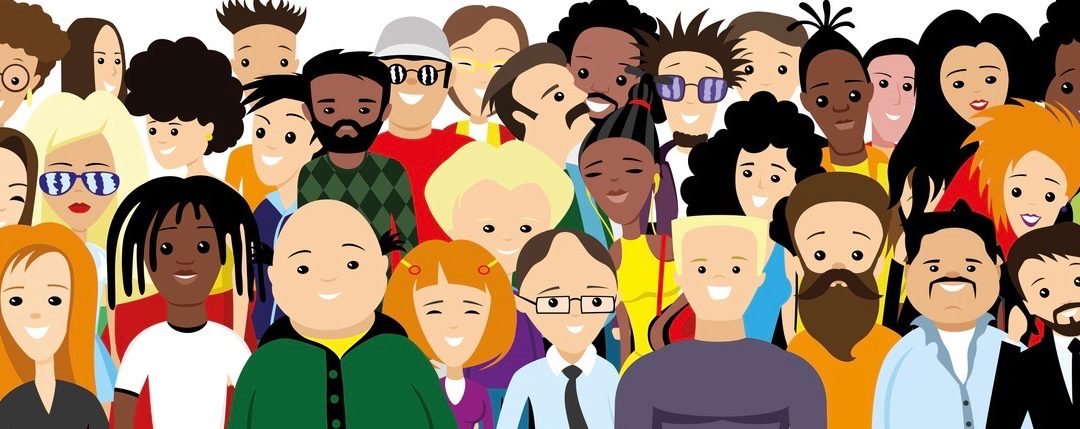
Whenever a company or business puts out an advertisement, they always have a target audience in mind. However, with today’s constantly changing and growing multicultural consumers, these companies must make a conscious effort when creating these ads that they are being inclusive and culturally aware of the environment they are currently in.

Research which can be found at this link, shows that most advertisements are seen on social media and television. With this in mind, companies can then create a more engaging ad that will attract a higher rate of consumer involvement. The media they create can vary anywhere from ‘unpacking’ videos to celebrity endorsements to sponsored posts.

The digital and social media that is so present in today’s society must be utilized to communicate with consumers of various ethnicities including white, Hispanic, black and Asian. It is vital that the companies are doing research on these communities so that they are seen and represented in the ads being presented before them whether it be during the commercial break of their family’s favorite tv show or in the banner of a religious video on YouTube.

According to Adriana Waterston, “engagement is driven by personalization, creating resonance and relevance with the target; convincing consumers your company is aligned with their personal values. Brand due diligence is key to understanding customer values, social, political, cultural, and religious, including whether your brand’s values match the market.” Taking all this into consideration, it is important now more than ever that the backgrounds of the members of today’s multicultural audiences are deliberated so that both the company and its target consumers are all being catered to and benefitting from these more considerate ads.

image.png

Photo Courtesy of AgilityPR.com

Probiotics and us: the helpers in your gut

Via Maangchi

Remember those Activia commercials?

According to research done by Katherine Harmon Courage, probiotics are more important than we think. Not only that, but the prebiotics—what we eat that feeds the microbes in our gut—are also essential to our digestive health. It is important to take care of the little guys in our bellies because they provide benefits such as fighting infections and moderating our weights.

In her book “Cultured: How Ancient Foods Can Feed Our Microbiome”, Courage explores the role our microbes play in our diets and the history of ancient foods rich in probiotics. For instance, Courage discusses that when humans were hunter-gatherers, we used to eat much more fiber than we do today, which is an important prebiotic that feeds our microbes. She says that if we do not feed our microbes, that they will eventually eat at the lining of our lower intestine (which honestly sounds kind of scary).

She also discusses how foods rich in probiotics should be an essential part of human’s diets. In Korea, for instance, kimchi is an essential part of a Korean diet, and even in remote Greenland, probiotics can be found in traditional Inuit foods like kiviak: birds fermented in seal skin.

By incorporating foods rich in probiotics and fiber into our diet, we create an environment where our microbes can thrive. In turn, our guts will be a lot healthier.

I always knew you could trust Jamie Lee Curtis.

Via Flavorwire

To learn more about the importance of our microbiome, check out this article by Jonathan Lambert.

For more in food news, check The Salt by NPR.